
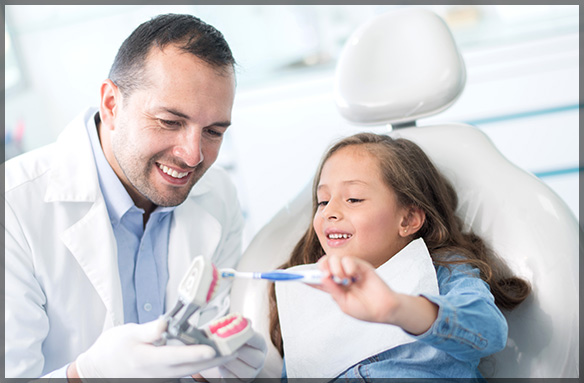
Dental emergencies in children happen unexpectedly and may cause significant discomfort or distress if not addressed promptly. Situations such as tooth injuries, severe pain, or infections often require immediate attention to prevent complications. Here’s what parents should know about urgent dental care for kids:
What Needs Urgent Care?
Urgent dental care addresses conditions that cause significant discomfort or threaten a tooth’s survival. A tooth fracture or severe toothache often indicates underlying damage that needs professional assessment. Swollen gums or facial swelling may signal an infection that could spread if left untreated. Losing a crown or filling exposes the sensitive underlying tooth structure, leading to pain and potential complications without prompt replacement. While regular check-ups handle routine maintenance, these specific issues require a call to an urgent dental specialist.
When Should Pain Wait?
Parents should observe specific symptoms that differentiate a minor annoyance from a serious problem. If you are unsure whether a situation is urgent, here are key indicators to watch out for:
- Persistent throbbing pain in the jaw, gums, or tooth often indicates a deeper issue or infection.
- Sensitivity to hot or cold substances suggests nerve involvement or significant enamel damage.
- Mouth pain associated with a fever requires immediate clinical evaluation to rule out systemic infection.
- Facial swelling or gum inflammation may indicate an abscess that requires drainage or antibiotics.
- Bleeding that does not stop after applying pressure is a key warning sign of trauma.
Recognizing these signs early enables faster treatment and more effective pain relief for the child.
What Causes Urgent Issues?
Several factors contribute to the sudden onset of dental emergencies in pediatric patients. Here are some of them:
- Physical trauma from sports or falls frequently results in broken, loose, or knocked-out teeth.
- Advanced tooth decay can progress rapidly, leading to severe infection and acute abscesses.
- Eating hard foods may crack a tooth or dislodge existing dental work, such as fillings or crowns.
- Gum disease can lead to sudden swelling and significant discomfort in the soft tissues.
These issues often occur without warning, making preparedness fundamental for every parent.
What Can Parents Do?
Proper immediate action influences the long-term outcome of a dental injury. If a child knocks out a permanent tooth, hold it by the crown, avoid touching the root, and rinse the tooth gently with water to remove debris. Placing the tooth back in the socket or storing it in milk preserves it until a dentist sees the patient.
For a broken tooth, save the fragments and rinse the mouth with warm water. Applying a cold compress to the cheek helps minimize swelling and reduce pain. Loose teeth also require care; make sure the child does not wiggle the tooth to prevent accidental extraction or choking.
Book Urgent Dental Care Today
Acting quickly during a dental emergency protects your child’s oral health and overall well-being. For knocked-out teeth, preserving the tooth in milk or a saline solution and seeking immediate care is key. Broken teeth require rinsing the mouth, saving fragments, and using cold compresses to manage pain and swelling. Contact an urgent dental care specialist near you immediately to book an appointment if your child experiences severe symptoms or trauma.
