
Nasal polyps are soft, painless, noncancerous growths on the lining of your nasal passages or sinuses. They often result from chronic inflammation caused by asthma, recurring infections, allergies, drug sensitivity, or certain immune disorders. Small nasal polyps may not cause symptoms, but larger growths or groups of polyps can block your nasal passages, leading to breathing problems, a loss of smell, and frequent infections. While distinct conditions, a deviated septum can exacerbate the symptoms caused by polyps. A deviated septum is a displacement of the wall between the nasal passages, which can narrow the airway and make the obstruction from polyps more severe. Managing these conditions often requires a strategic approach tailored to the severity of your symptoms.
Medical Treatments
The primary goal of medical treatment is to reduce the size of polyps or eliminate them entirely, and this often begins by reducing inflammation. Nasal corticosteroids are frequently the first line of defense prescribed by doctors. These sprays help reduce swelling and irritation in the nasal passages. Common options include fluticasone, budesonide, and mometasone. They are generally safe for long-term use and can significantly improve airflow. Oral corticosteroids may be necessary if nasal sprays alone are not effective. Prednisone is a common oral medication used to shrink polyps quickly. Because oral steroids can have serious side effects when used long-term, they are usually taken for a short period. Sometimes, they are used in combination with nasal sprays to manage severe inflammation. Injectable corticosteroids are another option for delivering medication directly to the inflamed tissues. This method can sometimes provide more targeted relief than oral medications.
Advanced Medical Treatments
When standard treatments fail to provide relief, doctors may explore advanced options. These often target the underlying causes of inflammation. Biologic medications are a newer class of drugs used for patients with chronic sinusitis and nasal polyps. These medications, such as dupilumab or omalizumab, target specific proteins involved in the body’s immune response. By blocking these proteins, biologics can shrink polyps and reduce congestion. They are typically administered via injection and are reserved for cases where polyps return despite surgery or steroid use. Your doctor may prescribe antibiotics if a bacterial infection is complicating your condition. While antibiotics do not treat the polyps themselves, they clear up sinus infections that worsen inflammation. Antihistamines are useful if allergies are a contributing factor to your nasal polyps; reducing the allergic response can help reduce overall swelling in the nasal passages.
Surgical Options for Polyps and a Deviated Septum
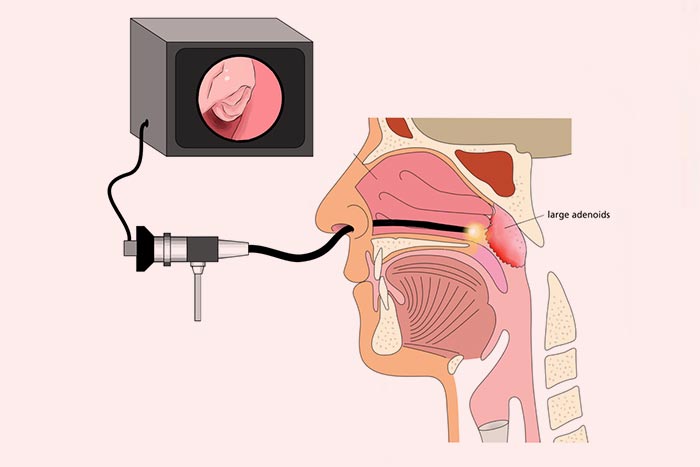
Surgery is considered when medical treatments are not effective in managing symptoms or improving quality of life. The aim is to remove nasal polyps and resolve any structural issues that may contribute to blockage or breathing problems, including a deviated septum. Endoscopic sinus surgery is the most common approach for removing polyps and clearing blocked sinus passages. During this procedure, a surgeon inserts a small tube fitted with a camera and specialized instruments through the nostrils. This allows for the precise removal of polyps and any tissue or debris that may be obstructing. If a deviated septum is also present, the surgeon may perform a septoplasty during the same operation to straighten the nasal septum. Addressing both nasal polyps and a deviated septum simultaneously can improve airflow and reduce the likelihood of recurrent symptoms.
Contact a Specialist Today
Because each person’s condition is unique, managing nasal polyps requires professional guidance to tailor a treatment plan to your specific needs. Persistent sinus issues can significantly impact your daily life and overall well-being. If you experience difficulty breathing, a reduced sense of smell, or chronic sinus pressure, seeking help is advisable. An Ear, Nose, and Throat (ENT) specialist can evaluate your condition and recommend the best course of action. We encourage you to schedule a consultation to discuss your symptoms and start your journey toward clearer breathing.
