
Osteoporosis is a condition characterized by reduced bone density and strength, increasing the risk of fractures with age. While lifestyle and medical factors play a role, family history can also significantly influence the likelihood of developing osteoporosis. Here’s more information on the connection between osteoporosis and family history:
How Does Family History Matter?
Bones are living tissue that constantly break down and regenerate throughout your life. In a healthy body, new bone tissue replaces old tissue at a steady rate, but as you age, the body breaks down bone faster than it can make new bone. This process leads to a decrease in bone mass.
Genetics determines a significant portion of your peak bone mass. If your parents had lower bone mass, you are likely to have lower bone mass as well. Starting with a lower baseline means you have less reserve to draw from as natural bone loss occurs with age. You should discuss your family medical history with your doctor during your next visit to help them assess your risk level accurately.
Which Traits Affect Bone Health?
Family history is not limited to fractures; it also encompasses specific physical traits transmitted through generations. These traits can predispose individuals to lower bone density and increased fragility. The following inherited characteristics are key indicators of potential bone health issues and osteoporosis:
- Body Frame Size: Individuals with small body frames often have less bone mass to draw from as they age, which increases the risk of osteoporosis.
- Ethnicity: Research shows that being of White or Asian descent is a risk factor, as these groups statistically show higher rates of the condition.
- Hormonal Levels: Hormonal imbalances, such as low estrogen in women or low testosterone in men, are often associated with genetic factors and significantly affect bone density.
- Menopause Timing: Women who experience early menopause due to family history face a longer period of estrogen loss, which accelerates bone breakdown.
These traits do not guarantee you will develop the condition, but they are helpful markers for your doctor to evaluate.
What Are the Early Signs?
Osteoporosis is often called a “silent disease” because it progresses without noticeable symptoms in the early stages. You may not experience pain as your bones gradually lose density, so regular screening is necessary for individuals with a family history. As the condition advances, specific physical changes may start to appear.
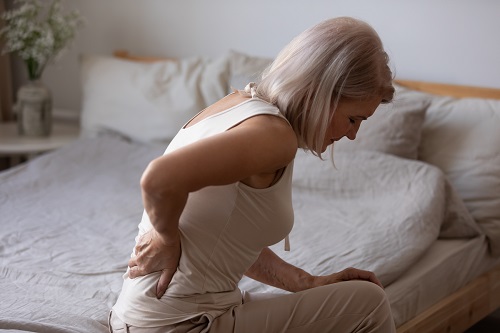
One common sign of advanced bone loss is back pain caused by fractured or collapsed vertebrae. This pain can occur suddenly or develop over time as the spine’s structure changes and is often distinct from regular muscle strain. Fracturing a bone more easily than expected is a key warning sign. These fractures indicate that the bone structure has significantly deteriorated.
How Can Risks Be Reduced?
While you cannot change your genetics, you can take active steps to strengthen your bones. Implement the following measures to help protect your skeletal health:
- Prioritize Calcium and Vitamin D: Make sure you consume enough calcium-rich foods and get adequate Vitamin D, as these are fundamental for bone regeneration.
- Engage in Weight-Bearing Exercise: Activities such as walking, jogging, or resistance training load your bones against gravity, which helps maintain bone strength.
- Avoid Smoking and Excessive Alcohol: Smoking and heavy drinking interfere with the body’s ability to absorb calcium and damage bone cells.
- Maintain a Healthy Weight: Being underweight weakens bones, but maintaining a healthy body weight supports overall skeletal integrity.
Adopting these habits creates a strong defense against the genetic factors you may have inherited.
Schedule Your Appointment for Osteoporosis
Understanding the link between your family history and osteoporosis allows you to take proactive control of your health. Genetics plays a key role in determining your bone mass and risk levels, but lifestyle changes and early detection are key tools for managing this condition. If you have a family history of fractures or other risk factors, contact a qualified women’s health specialist near you today to schedule your appointment and discuss your risk factors.
