
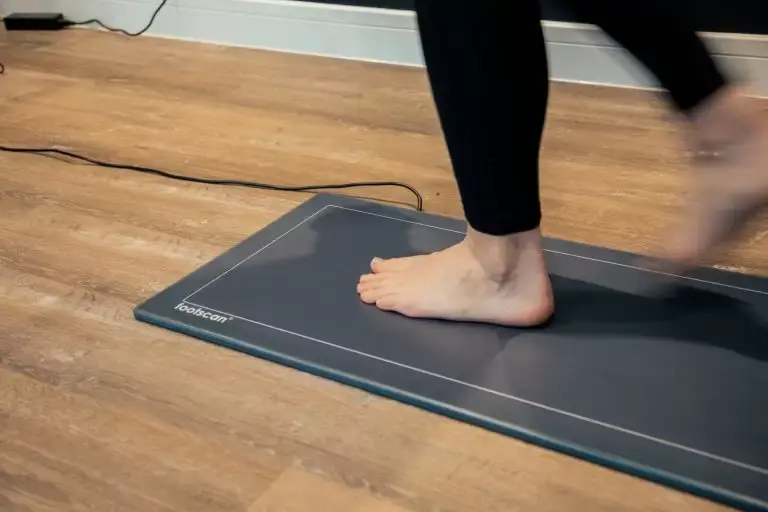
An active lifestyle offers many health benefits, but it can increase the risk of certain injuries, including an ankle wound. Activities like running, hiking, and team sports can expose the ankles to potential harm. These injuries may range from minor abrasions, blisters, and cuts to more significant puncture wounds or skin tears. Understanding the factors that contribute to these wounds is a key step in prevention and maintaining an active, healthy life.
Intrinsic Factors
Intrinsic factors are characteristics related to your own body that can influence your risk of an ankle wound. These internal factors may make you more susceptible to injury during physical activity. Awareness of these personal factors can help you take appropriate preventive measures.
Key intrinsic factors include:
- Previous Injuries: A history of ankle sprains, fractures, or other injuries can cause instability or altered movement, increasing the risk of wounds. Scar tissue from past injuries might also be more fragile.
- Anatomical Structure: The shape and alignment of your feet and ankles, such as flat feet or high arches, can affect pressure distribution during movement. This can create friction points that are prone to blisters or chafing.
- Age: As people age, skin can become thinner and less elastic, which makes it more susceptible to tearing or bruising from minor impacts.
- Underlying Health Conditions: Certain medical conditions can impact circulation and nerve function in the lower legs and feet. This can reduce sensation, making it harder to notice a blister or cut, and slow the healing process.
Extrinsic Factors
Extrinsic factors are external elements from your environment or the gear you use that can contribute to ankle wounds. Unlike intrinsic factors, these are often easier to modify or control. Paying close attention to these external variables is a practical way to protect your ankles.
Common extrinsic factors are:
- Footwear: Shoes that do not fit properly are a primary cause of blisters, chafing, and pressure sores. A shoe might be too tight or too loose, allowing your foot to slide. The type of shoe should also be appropriate for the activity.
- Playing Surfaces and Terrain: Uneven or rough surfaces, such as rocky trails or poorly maintained fields, increase the risk of trips and falls that can cause scrapes and cuts. Running on hard surfaces, such as concrete, for extended periods can also put repetitive stress on the feet and ankles.
- Court Sports: Players in court sports, such as tennis or basketball, are at higher risk of ankle injuries.
Combination Factors
Often, ankle wounds are not caused by a single factor but by a combination of intrinsic and extrinsic factors. Individuals with flat feet (intrinsic factor) who wear poorly fitting running shoes (extrinsic factor) have a higher risk for blisters. Similarly, a person with reduced sensation in their feet due to a health condition might not notice a small rock in their shoe, and this could lead to a pressure sore during a long hike. Recognizing how these different factors can interact is key for comprehensive prevention.
Ask About Your Ankle Wound Risk Today
Understanding the risk factors for ankle wounds is the first step toward prevention. If you have an active lifestyle and are concerned about your risk, or if you have experienced recurring ankle wounds, it may be helpful to discuss your situation with a healthcare professional. They can offer guidance based on your personal health, your activities, and your specific risk factors to help you stay active and safe.
