
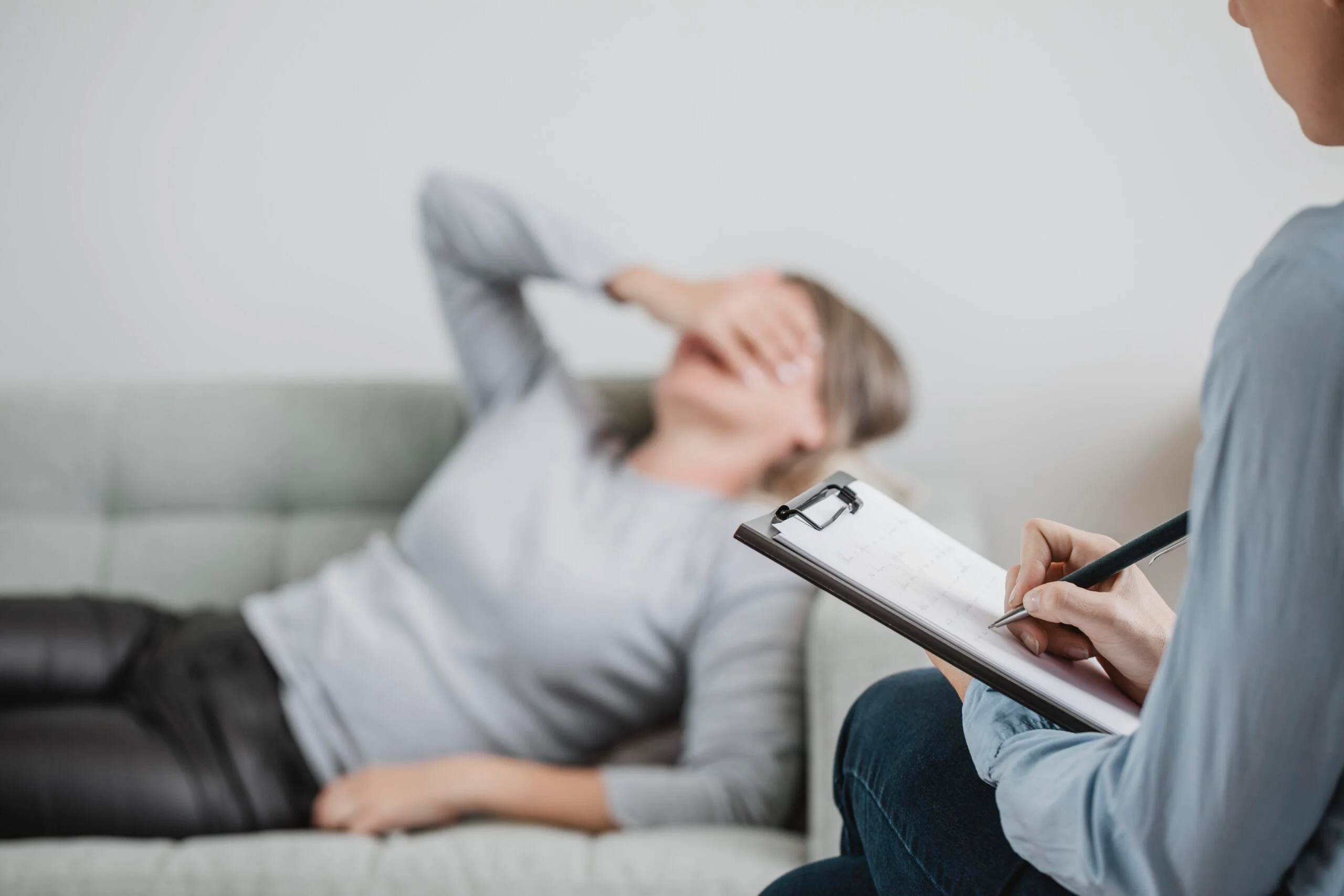
Anxiety disorders can affect daily functioning, relationships, and overall quality of life when left untreated. Effective anxiety treatment often involves therapy, medication, or a combination of both, depending on symptom severity and individual needs. Here’s more information on effective anxiety treatment:
Using Therapy for Anxiety
Psychotherapy is an anxiety treatment that involves working with a licensed mental health professional to identify and modify the behaviors and thought patterns that trigger anxiety. Cognitive Behavioral Therapy (CBT) is a fundamental therapeutic approach used to treat various anxiety disorders. In CBT sessions, patients learn to recognize negative thinking patterns that contribute to their feelings of fear or panic.
Exposure therapy is another helpful method often used alongside CBT, especially for phobias and social anxiety. This technique involves gradual and controlled exposure to the source of fear in a safe environment. The goal is to desensitize the individual to the trigger, reducing the physiological fear response.
Supporting Anxiety With Medication
Physicians prescribe this anxiety treatment based on the specific type of anxiety disorder and the patient’s overall health profile. While medications do not cure the underlying condition, they provide symptom relief that can make daily life manageable. The following classes of medication are common pharmacological options for anxiety management:
- Antidepressants: Selective Serotonin Reuptake Inhibitors (SSRIs) and Serotonin-Norepinephrine Reuptake Inhibitors (SNRIs) regulate neurotransmitters to stabilize mood and reduce anxiety.
- Benzodiazepines: These sedatives enhance the effect of the neurotransmitter GABA to produce a calming effect rapidly, but doctors typically prescribe them for short-term use due to dependence risks.
- Buspirone: This anti-anxiety medication works differently from benzodiazepines and does not carry the same risk of dependency, making it suitable for long-term treatment of generalized anxiety.
- Beta-Blockers: Physicians primarily use these for heart conditions, but they also block the physical symptoms of anxiety, such as rapid heartbeat and trembling, during performance-related situations.
These pharmaceutical interventions provide biological stability and help dampen the physiological fight-or-flight response.
Comparing Treatment Options
Therapy and medication offer distinct approaches to relief and differ significantly in their onset of action, duration of effect, and side-effect profiles. Medication typically works more quickly to alleviate symptoms, which is a beneficial attribute for individuals in acute distress. Therapy generally requires a longer period of time before the patient notices significant changes. It takes time to unlearn deeply ingrained thought patterns and establish new behavioral habits.
Therapy equips the patient with coping mechanisms and problem-solving skills that persist even after the treatment ends. Conversely, if a patient stops medication without having learned other coping strategies, symptoms often return. Medication also carries the risk of physical side effects, such as nausea, weight gain, sleep disturbances, or sexual dysfunction. Therapy does not cause physical side effects, but it can cause emotional discomfort. Confronting difficult memories or fears is challenging, and patients may feel worse before they feel better.
Combining Therapy and Medication
For many individuals, the most effective treatment for anxiety involves a combination of psychotherapy and medication. Medication can lower the baseline level of anxiety, which makes the patient calm enough to engage effectively in therapy. Combining treatments is often a key strategy for moderate to severe anxiety disorders or for patients who have not responded to therapy alone. The medication serves as a bridge, providing immediate relief while the patient develops long-term skills in therapy. As the patient gains confidence and mastery over their symptoms through therapy, the physician may gradually taper the medication.
Learn More About Anxiety Treatment
Anxiety is a treatable condition, and multiple evidence-based options exist to help individuals regain control of their lives. Patients have viable approaches to wellness, whether by utilizing therapy to build resilience, medication to correct chemical imbalances, or a combination of both. Contact a trusted healthcare provider near you to schedule your consultation and learn more about anxiety treatment today.
