
Introduction
Breathing — it’s something we do every second of every day without thinking. But how often do we stop to appreciate just how important our lungs are? Healthy lungs are essential for providing oxygen to the body and removing carbon dioxide. Unfortunately, factors like pollution, smoking, or even a sedentary lifestyle can weaken lung capacity over time.
The good news? You can strengthen your lungs naturally through simple breathing exercises. These exercises don’t require any special equipment — just a few minutes of your day and a quiet space. In this article, we’ll explore the best breathing exercises for lung health, how they work, and why you should make them a part of your daily routine.
Why Breathing Exercises Are Important
Your lungs play a vital role in keeping every organ in your body functioning properly. When you take deep, mindful breaths, you increase the amount of oxygen that enters your bloodstream. This oxygen fuels your brain, muscles, and heart — helping you feel more energetic, focused, and calm.
Breathing exercises can:
- Improve oxygen exchange
- Strengthen the diaphragm (your main breathing muscle)
- Reduce stress and anxiety
- Enhance lung capacity and endurance
- Clear mucus and toxins from the respiratory tract
These benefits make breathing exercises especially valuable for people with asthma, COPD, post-COVID recovery, or anyone who wants to maintain strong, healthy lungs.
1. Diaphragmatic Breathing (Belly Breathing)
Diaphragmatic breathing, also known as belly breathing, is one of the simplest yet most powerful breathing exercises. It focuses on using the diaphragm — a large muscle at the base of the lungs — to breathe more efficiently.
How to Do It:
- Sit or lie down in a comfortable position.
- Place one hand on your chest and the other on your belly.
- Inhale slowly through your nose, allowing your belly to rise as you fill your lungs with air.
- Exhale gently through your mouth, feeling your belly fall.
- Repeat for 5–10 minutes daily.
Benefits:
- Strengthens the diaphragm
- Promotes deeper, more efficient breathing
- Helps manage stress and anxiety
- Improves oxygen flow to vital organs
This exercise is especially beneficial for people recovering from respiratory illnesses or those who tend to take shallow breaths due to stress.
2. Pursed-Lip Breathing
Pursed-lip breathing is a technique often recommended by doctors for people with asthma or COPD. It helps control shortness of breath and promotes slower, deeper breathing.
How to Do It:
- Sit comfortably and relax your shoulders.
- Inhale slowly through your nose for about 2 seconds.
- Purse your lips (as if you’re about to whistle).
- Exhale gently through your pursed lips for 4–6 seconds.
- Continue for 5–10 minutes.
Benefits:
- Keeps airways open longer
- Improves ventilation
- Reduces shortness of breath
- Calms your mind and body
This simple exercise can be done anytime, especially when you feel breathless during physical activity.
3. Box Breathing (Square Breathing)
Box breathing is a favorite among athletes, meditators, and even military personnel for its calming and strengthening effects. It improves lung control while also reducing anxiety.
How to Do It:
- Inhale through your nose for 4 seconds.
- Hold your breath for 4 seconds.
- Exhale slowly through your mouth for 4 seconds.
- Hold your breath again for 4 seconds.
- Repeat this cycle for several minutes.
Benefits:
- Increases lung capacity and control
- Enhances focus and relaxation
- Reduces stress and stabilizes breathing patterns
- Strengthens respiratory muscles
Box breathing can be practiced anywhere — at your desk, before bed, or even during a stressful moment.
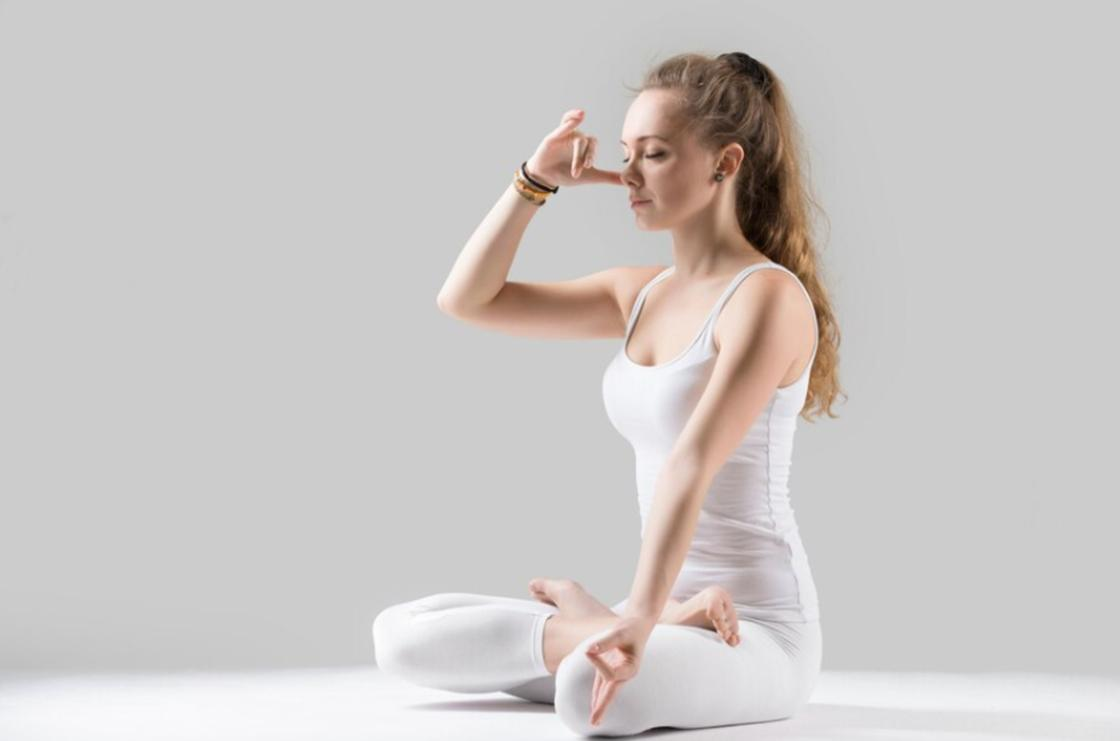
4. Alternate Nostril Breathing (Nadi Shodhana)
A traditional yoga technique, alternate nostril breathing balances the body’s energy and improves respiratory efficiency. It also supports mental clarity and relaxation.
How to Do It:
- Sit comfortably with a straight spine.
- Use your right thumb to close your right nostril.
- Inhale deeply through your left nostril.
- Close your left nostril with your ring finger and open your right nostril.
- Exhale through your right nostril.
- Now inhale through your right nostril, close it, and exhale through your left.
- Repeat for 5–10 minutes.
Benefits:
- Improves oxygen flow and lung function
- Balances both hemispheres of the brain
- Reduces anxiety and improves focus
- Cleanses the nasal passages
Practicing this breathing method regularly can leave you feeling calmer, more energized, and mentally balanced.
5. Deep Breathing with Arm Raises
Combining movement with breathing enhances circulation and lung expansion. Deep breathing with arm raises is an excellent exercise to open up the chest and improve posture.
How to Do It:
- Stand or sit up straight.
- Inhale slowly through your nose as you raise your arms above your head.
- Hold your breath for a moment.
- Exhale slowly through your mouth as you lower your arms.
- Repeat 10–15 times.
Benefits:
- Expands lung capacity
- Improves chest flexibility and posture
- Boosts oxygen supply to the brain and muscles
- Helps relieve stiffness in the upper body
This is a perfect exercise to do in the morning to wake up your body and lungs.
6. The 4-7-8 Breathing Technique
This is a powerful relaxation breathing exercise that promotes better oxygenation and calms the nervous system. It’s often used to manage stress and improve sleep quality.
How to Do It:
- Inhale through your nose for 4 seconds.
- Hold your breath for 7 seconds.
- Exhale completely through your mouth for 8 seconds.
- Repeat 4–5 times.
Benefits:
- Reduces anxiety and stress
- Promotes relaxation and better sleep
- Increases oxygen exchange
- Strengthens lung function
You can use this technique before bedtime or during any stressful moment.
Tips for Healthier Lungs
Alongside breathing exercises, a few lifestyle changes can make a big difference in maintaining strong lungs:
- Avoid smoking and secondhand smoke.
- Stay physically active; regular exercise boosts lung performance.
- Maintain good posture to give your lungs more space to expand.
- Stay hydrated to keep mucus thin and easy to clear.
- Practice deep breathing daily, even for 10 minutes.
- Limit exposure to pollution and wear masks in dusty environments.
Remember: small daily habits lead to long-term lung health improvements.
Conclusion
Breathing exercises are simple yet powerful tools for improving lung health, managing stress, and enhancing overall well-being. Whether you’re recovering from a respiratory illness or just want to increase your stamina and focus, incorporating exercises like diaphragmatic breathing, pursed-lip breathing, and box breathing can make a noticeable difference.
Your lungs are incredible organs that work tirelessly every second — give them the care they deserve. Just a few minutes of mindful breathing each day can transform your health, energy, and peace of mind.
FAQs About Breathing Exercises for Lung Health
1. How often should I do breathing exercises?
You can practice breathing exercises 1–2 times daily for 10–15 minutes. Consistency is key to seeing results.
2. Can breathing exercises improve shortness of breath?
Yes! Techniques like pursed-lip and diaphragmatic breathing help manage shortness of breath and strengthen lung function.
3. Are these exercises safe for people with asthma or COPD?
Absolutely — but it’s best to consult your doctor first. These exercises are often recommended to help manage symptoms.
4. Can breathing exercises help with anxiety or stress?
Yes, deep and controlled breathing activates the body’s relaxation response, helping you feel calm and centered.
5. How long does it take to see improvement?
You may notice better breathing control within a few days, but significant lung health benefits typically appear after a few weeks of regular practice.
