
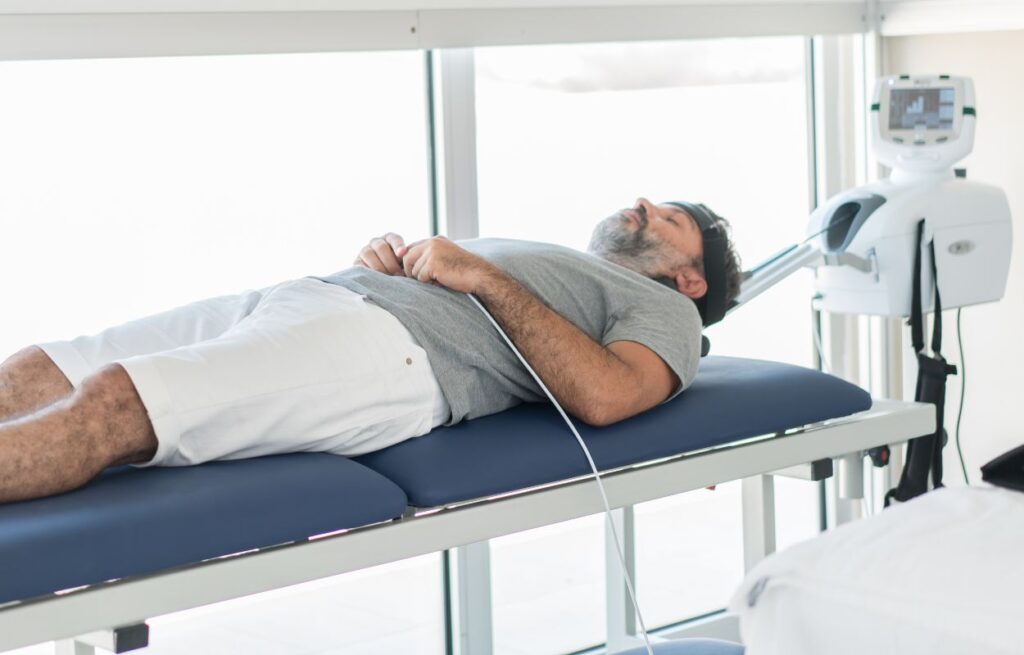
Chronic spinal conditions can significantly affect mobility, comfort, and overall well-being. Spinal stenosis occurs when spaces within the spine narrow, compressing nerves and leading to symptoms such as pain, stiffness, and reduced function. Here’s a closer look at managing spinal stenosis with appropriate lifestyle modifications:
Using Movement for Relief
Regular physical activity is key to maintaining spinal health, but you must choose appropriate exercises to avoid worsening spinal stenosis. Walking is generally beneficial, and individuals can lean forward while walking to open the spinal canal and reduce pain. Water therapy is another effective option because the buoyancy of water supports the body’s weight and reduces the load on the spine. Strengthening the core muscles is also beneficial, as a strong core reduces pressure on the lower back. You should consult a physical therapist to design an exercise program that is safe for your specific needs.
Reducing Spine Strain
How you position your body throughout the day significantly affects the severity of spinal stenosis symptoms. Poor posture or improper lifting techniques can increase nerve compression, but adjusting these habits helps protect the spine. Here are ways to reduce spine strain:
- Practice good posture: When sitting, choose a chair with good lumbar support and keep your feet flat on the floor.
- Lift heavy objects correctly: When picking up items, bend at your knees rather than your waist and keep the object close to your body to minimize the stress on your back muscles and vertebrae.
- Adjust sleeping positions: Sleeping on your side with your knees curled up toward your chest can help open the nerve passageways.
These habits minimize daily stress on the vertebrae and help maintain a neutral spine position.
Managing Weight and Nutrition
Excess body weight places an extra load on the spine, which can accelerate degenerative changes and increase pain. Here are ways weight management and nutrition support spine health:
- Weight management: Weight loss can significantly reduce pressure on the lower back and alleviate the pain associated with standing and walking.
- Anti-inflammatory diet: Consuming foods rich in antioxidants, such as fruits, vegetables, and fatty fish, may help reduce systemic inflammation.
- Hydration: Well-hydrated discs provide better cushioning between the vertebrae and support proper spinal alignment.
You should consult a nutritionist or healthcare provider to develop a dietary plan that meets your specific health requirements.
Knowing When To Seek Help
Lifestyle modifications are helpful, but they may not resolve all symptoms of spinal stenosis. If you experience severe pain, progressive weakness, or difficulty with balance, you should see a specialist for a thorough evaluation. A specialist may recommend treatments such as epidural steroid injections if physical therapy and anti-inflammatory medicines do not work. Medical intervention is often necessary when pain interferes significantly with daily life or causes functional limitations.
Schedule Your Spinal Stenosis Consultation
Managing spinal stenosis requires a comprehensive approach that includes medical care and lifestyle modifications. Staying active and watching your posture helps reduce the strain on your spine and improve your well-being. Professional evaluation is fundamental for safe and effective long-term management. Contact a pain management specialist near you to schedule your consultation today.
