
Our eyes are our window to the world — they allow us to enjoy colors, faces, and the beauty around us every day. Yet, many people take their eye health for granted until vision problems appear. In today’s digital world, where we spend hours staring at screens, maintaining good eye health naturally has become more important than ever.
The good news is, with the right habits, foods, and lifestyle choices, you can protect and even improve your eyesight naturally — without relying solely on medications or artificial supplements.
Let’s explore simple, natural ways to keep your eyes healthy and strong for years to come.
👁️ 1. Eat Eye-Friendly Foods
Nutrition plays a key role in maintaining sharp vision and preventing age-related eye conditions like cataracts and macular degeneration. Some nutrients are especially beneficial for your eyes:
- Vitamin A: Helps maintain a clear cornea (the surface of your eye). It’s found in carrots, sweet potatoes, and leafy greens.
- Lutein and Zeaxanthin: Powerful antioxidants that protect your retina from harmful light. Found in spinach, kale, corn, and eggs.
- Vitamin C: Supports healthy blood vessels in your eyes. Found in citrus fruits, strawberries, and bell peppers.
- Vitamin E: Protects eye cells from free radical damage. Found in almonds, sunflower seeds, and avocados.
- Omega-3 Fatty Acids: Essential for proper eye lubrication and preventing dry eyes. Found in salmon, chia seeds, and flaxseeds.
Try to fill your plate with colorful fruits and vegetables. Remember — the more colorful your diet, the better your eye health.
💧 2. Keep Your Eyes Hydrated
Dry eyes are one of the most common modern eye problems, often caused by long screen hours, pollution, or dehydration. To prevent this:
- Drink plenty of water — at least 8 glasses a day.
- Use a humidifier in dry environments.
- Blink often while working at a computer or reading.
- Use natural eye drops made from herbal ingredients if your eyes feel irritated.
Staying hydrated helps your tear glands function properly, keeping your eyes moist and comfortable.
💻 3. Follow the 20-20-20 Rule for Screen Use
Digital screens are a big part of daily life, but they strain your eyes over time. To reduce eye fatigue, follow the simple 20-20-20 rule:
➡️ Every 20 minutes, look at something 20 feet away for at least 20 seconds.
This gives your eye muscles a break and reduces the chances of digital eye strain, headaches, and blurred vision.
You can also:
- Adjust screen brightness to match your surroundings.
- Increase font size for easier reading.
- Use blue light filters or glasses to protect your eyes from harsh screen light.
🕶️ 4. Protect Your Eyes from UV Rays
Just like your skin, your eyes can be damaged by ultraviolet (UV) rays from the sun. Overexposure can lead to cataracts and even vision loss over time.
Whenever you step outside during the day:
- Wear sunglasses that block 100% of UVA and UVB rays.
- Add a wide-brimmed hat for extra protection.
- Avoid looking directly at the sun, even during sunrise or sunset.
Taking these small precautions goes a long way in keeping your eyes safe and healthy.
💤 5. Get Enough Rest and Sleep
Sleep is not just for your mind and body — it’s crucial for your eyes too. When you sleep, your eyes recover from the strain and dryness of the day.
Poor sleep can cause twitching, blurry vision, and even eye pain. Aim for 7–8 hours of quality sleep each night. If you often wake up with tired or puffy eyes, try placing a cool compress or cucumber slices on your eyelids for relief.
🧘 6. Practice Eye Exercises
Just like other muscles in your body, your eye muscles need regular exercise to stay flexible and strong. Here are a few simple eye exercises you can do daily:
- Blinking Exercise: Blink rapidly for 10 seconds to refresh your eyes.
- Focus Shift: Hold your thumb 10 inches away and focus on it, then shift focus to an object 20 feet away. Repeat 10 times.
- Palming: Rub your palms together until warm and place them over your closed eyes for a minute to relax them.
- Eye Rolling: Roll your eyes slowly in a circular motion to improve blood flow.
These exercises relieve tension and improve focus, especially if you work long hours on screens.
🚭 7. Avoid Smoking and Limit Alcohol
Smoking reduces blood flow to your eyes and increases your risk of developing cataracts and optic nerve damage. Alcohol, when consumed excessively, can dehydrate your body and lead to dry eyes.
If you smoke, consider quitting — not just for your eyes but for your overall health. Small steps like nicotine patches or herbal teas can help you gradually reduce the habit.
🌱 8. Manage Health Conditions Naturally
Certain health conditions like diabetes, high blood pressure, and cholesterol can seriously affect your vision if not managed properly. For example, diabetes can damage the blood vessels in your retina, leading to diabetic retinopathy.
To protect your eyes naturally:
- Maintain a healthy weight.
- Eat whole foods and reduce sugar intake.
- Exercise regularly to improve circulation.
- Monitor your blood pressure and blood sugar levels.
A healthy body supports healthy eyes.
🪞 9. Maintain Good Eye Hygiene
It might sound simple, but good eye hygiene prevents many infections and irritations. Always:
- Wash your hands before touching your eyes.
- Avoid rubbing your eyes — it can cause redness or infection.
- Replace contact lenses regularly and clean them properly.
- Remove makeup before sleeping.
If you notice persistent redness or irritation, consult an eye specialist instead of ignoring the symptoms.
🍵 10. Try Natural Remedies and Herbal Support
Nature offers several gentle remedies to soothe and nourish your eyes:
- Cucumber slices: Reduce puffiness and refresh tired eyes.
- Aloe vera gel: When applied carefully around the eyes (not inside), it can cool and moisturize the skin.
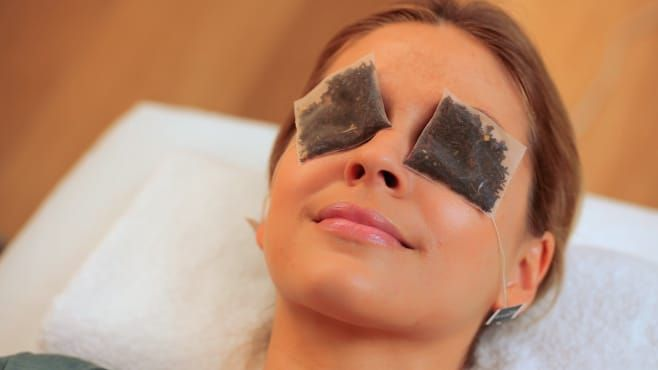
- Green tea bags: Chilled used tea bags help reduce inflammation and dark circles.
- Bilberry and Ginkgo Biloba: Herbal supplements known to improve blood flow and eye health.
Always use these remedies safely and avoid putting anything directly into your eyes unless recommended by a doctor.
🌼 Conclusion
Taking care of your eyes doesn’t have to be complicated or expensive. By making simple lifestyle changes — eating nutritious foods, resting your eyes, managing screen time, and avoiding harmful habits — you can maintain good vision naturally.
Your eyes deserve the same attention you give to your body and mind. Treat them with care, and they’ll serve you well for a lifetime.
❓FAQs About Maintaining Eye Health Naturally
1. Can eye exercises really improve vision?
Eye exercises won’t fix vision problems like nearsightedness or astigmatism, but they can reduce strain, improve focus, and help keep your eye muscles strong.
2. How often should I get my eyes checked?
It’s recommended to have a comprehensive eye exam every 1–2 years, even if you have perfect vision. Early detection can prevent serious issues later on.
3. Does using a phone or computer damage the eyes permanently?
Not usually, but excessive screen time can cause digital eye strain, leading to headaches, dryness, and blurred vision. Following the 20-20-20 rule helps prevent this.
4. Can natural foods really prevent eye diseases?
Yes, a nutrient-rich diet with antioxidants, omega-3s, and vitamins can reduce your risk of cataracts, macular degeneration, and other eye conditions.
5. Is it okay to use herbal remedies around the eyes?
Some herbal remedies can soothe tired eyes, but never apply anything directly into your eyes without consulting a professional. Always do a patch test first.
